Introduction
Real estate investing is a tried-and-true way to generate income . Real estate investors buy, lease, and eventually sell properties to earn a return on investment . This guide provides an overview of what it means to be a real estate investor, including different types of real estate investments, strategies for success , and potential challenges.
Different Real Estate Investment Options
1. Residential Real Estate
- Single-Family Homes: Properties designed for one family. These are popular among novice investors due to their manageable investment size and simplicity in management .
- Multi-Family Properties: Properties that house multiple families, including duplexes and apartments. They generate more rent but need increased oversight .
- Vacation Rentals: Properties rented out to short-term tenants, often through platforms like Airbnb or Vrbo. These can generate higher income but may have more frequent vacancies and how to do wholesale real estate require active management .
2. Investing in Commercial Properties
- Office Buildings: Buildings rented out for office purposes. They often have extended lease agreements , providing steady income .
- Retail Properties: Commercial spaces occupied by retail outlets. Success is linked to the success of the tenants .
- Industrial Properties: Industrial buildings such as factories and storage units. These have extended contracts and minimal management requirements .
3. Industrial Real Estate
- Warehouses: Large storage spaces for goods and materials. Demand is driven by e-commerce growth .
- Manufacturing Facilities: Properties where products are manufactured. These demand specific expertise for investment.
- Distribution Centers: Central wholesaling properties points for shipping and logistics. High demand in supply chain management .
4. Land
- Undeveloped Land: Land that has not been improved or built upon. It offers potential for development but can be risky .
- Developed Land: Property readied for building projects. Requires substantial funds and expert knowledge .
- Agricultural Land: Land dedicated to farming and livestock. Offers consistent profitability but requires knowledge of agricultural markets .
Strategies for Real Estate Investing
1. Buy and Hold
- Overview: Buy real estate to rent and keep for an extended period to gain from rent and value increase.
- Pros: Steady cash flow, potential tax benefits, long-term appreciation.
- Cons: Requires property management, tied-up capital, market risk.
2. Property Flipping
- Overview: Buy properties at a discount, renovate them, and sell them at a higher price.
- Pros: High profit potential in a short period, property improvement.
- Cons: Significant risk, needs renovation expertise, reliant on market conditions.
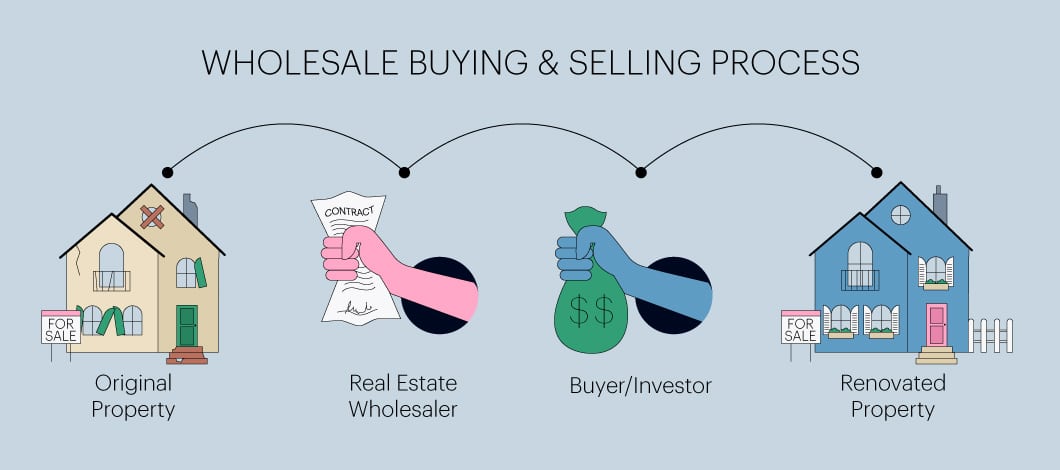
3. Wholesaling
- Overview: Discover discounted properties, put them under contract, and sell the contract.
- Pros: Low-cost entry, swift transactions, minimal management.
- Cons: Requires finding motivated sellers, building a buyer’s list, less profit per deal.
4. REITs (Real Estate Investment Trusts)
- Overview: Invest in firms owning and managing real estate assets.
- Pros: Liquid investment, diversified portfolio, passive earnings, managed professionally.
- Cons: Market volatility, less control, fees and expenses.
5. Crowdfunded Real Estate Investments
- Overview: Invest collectively in real estate projects via crowdfunding sites.
- Pros: Affordable entry, diverse investments, involvement in significant projects.
- Cons: Reduced control over investment, platform costs, potential risks.
How to Become a Real Estate Investor
Education and Research:
Learn the Basics: Familiarize yourself with real estate dynamics, funding options, management, and strategies.
Networking: Engage with investment communities, participate in seminars, and network with seasoned investors.
Set Investment Goals:
Define Objectives: Clarify your investment aims, focusing on income
Set Investment Goals
- Define Objectives: Set clear goals for your investments, whether for income, appreciation, or diversification.
- Risk Tolerance: Assess your risk tolerance and choose investment strategies that align with it.
Develop a Business Plan
- Market Analysis: Study target areas, property kinds, and investment outcomes.
- Financing Strategy: Prepare a financing plan using mortgages, private loans, and savings.
Build a Team
- Key Professionals: Include real estate agents, attorneys, accountants, property managers, and contractors.
- Networking: Continue building relationships with professionals who can assist you.
Start Small
- Initial Investment: Invest in smaller properties or easier projects initially.
- Learn and Adapt: Use early investments as learning experiences and refine your strategies.
Scale Up
- Growth: Scale your investments with increasing expertise and confidence.
- Diversification: Broaden your investment portfolio with varied properties and areas.
Challenges and Risks in Real Estate Investing | Potential Challenges and Risks
1. Market Volatility
- Economic Factors: Real estate markets can be influenced by economic changes, interest rates, and government policies.
- Mitigation: Stay informed about market trends and adjust your strategies as needed.
2. Property Management
- Tenant Issues: Dealing with tenant complaints, vacancies, and rent collection can be challenging.
- Solutions: Hire a property management company or develop strong management skills.
3. Financing and Cash Flow
- Funding Challenges: Getting funding and managing cash flow can be challenging.
- Strategies: Have a solid financing plan and maintain a reserve fund for unexpected expenses.
4. Legal and Regulatory Issues
- Compliance: Ensure your investments comply with local, state, and federal laws.
- Advice: Seek legal advice to navigate and comply with regulations.
Final Thoughts
Real estate investing is a dynamic way to build wealth and achieve financial goals . By exploring different investment options, developing a strong strategy, and staying informed about risks , you can succeed in real estate investing. Whether you are a beginner or an experienced investor , ongoing education and flexibility are key to building a profitable portfolio.